Warehouse Roof Leak Repair
Rockwood Gresham
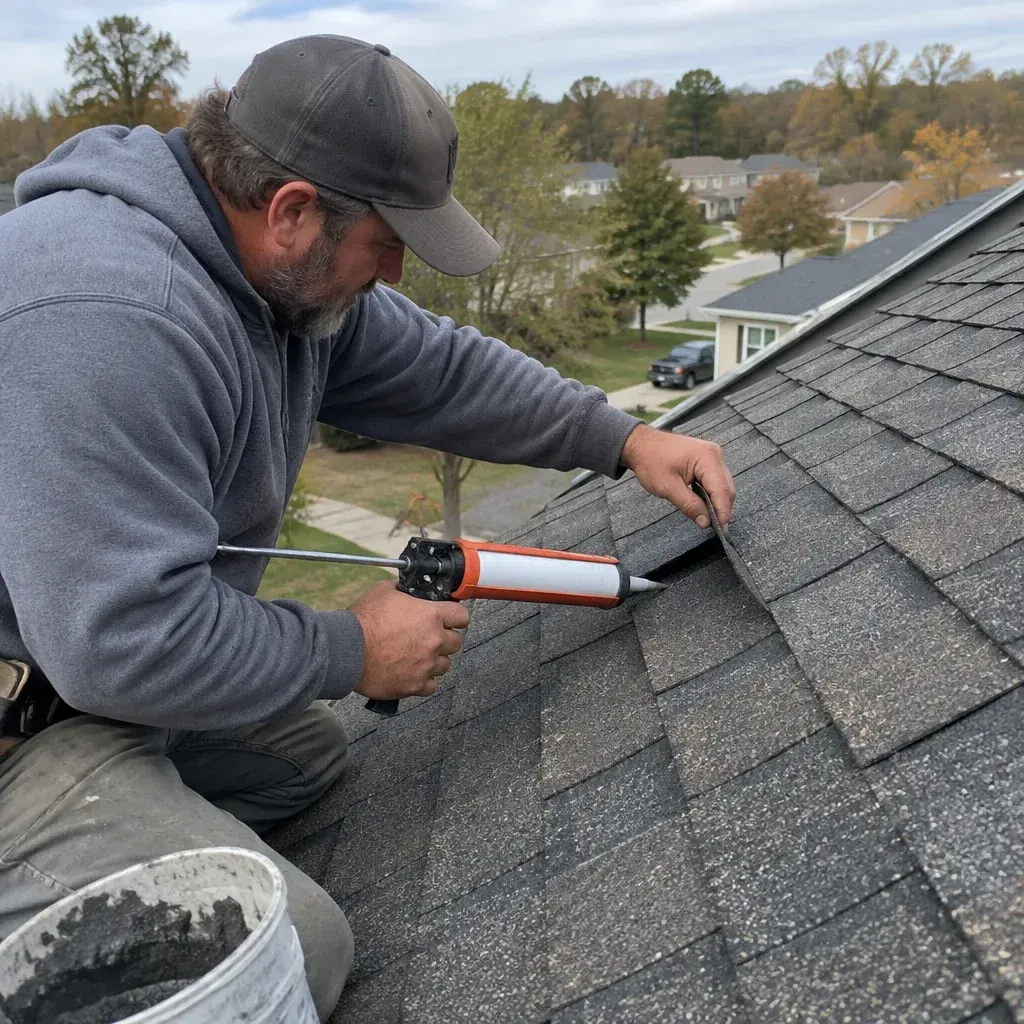
Connect classroom reports with roof-area findings, then plan Gresham school repairs around campus use and access.
A roofer compares classroom reports with roof and attic evidence, records the affected roof area, and explains the repair scope. Give the facilities contact room-use times and campus access limits so work can fit school operations.
A school roof leak takes coordination between room reports, roof evidence, and the school calendar. Begin with the facilities contact’s record of where water appeared and when. Classroom use helps set the inspection window. The pros we connect you with can then compare those reports with accessible roof areas. For a Gresham campus, include the building name and the room’s regular use. This gives the visit a clear starting point while keeping instruction and campus routines in view.
Build a room-by-room record before choosing where to inspect. Note whether water appeared during class, between activities, or after the building closed. A stain can show up far from the roof opening because water may run along decking or framing. Compare reports across rooms and floors for a shared pattern. A room beside Main City Park or elsewhere in Gresham still needs its own entry in the facilities record; location alone does not identify the source.
Set the inspection window around the building’s actual use. Tell the pros we connect you with when classrooms, halls, and shared areas are available. Include bell schedules, events, and any periods when noise or roof access would disrupt instruction. The facilities contact can identify who will meet the inspector and explain campus rules. This planning helps the visit follow a workable route through the school without interrupting rooms that remain in use.
Use a building plan to connect each report to a roof area. Mark room names, floor levels, and the part of each ceiling where water appeared. Add roof sections or drainage areas if the campus plan identifies them. That reference can be especially helpful across a large education facility, where one room label may not point clearly to the relevant roof section. Keep the plan with the Gresham facilities record so later findings have a consistent reference.
Agree on campus entry and movement before the inspection begins. The facilities contact can identify a suitable arrival point, permitted routes, and areas that need an escort. Consider student circulation, deliveries, and scheduled activities when choosing where equipment can be carried or staged. A school near Ruby Junction Station may have different arrival patterns from another Gresham site. The route should fit the campus plan and leave daily operations room to continue.
| Affected area | Use window | Site notes |
|---|---|---|
| Room map | Name the classroom and ceiling location | Compare the room with roof plan areas |
| Leak timing | Note when water appears and under what conditions | Use timing to help narrow the entry area |
| Class schedule | Mark instruction, arrival, and dismissal periods | Set work times around school use |
| Campus entry | Explain check-in, escort, and approved routes | Confirm access before inspection or repair |
| Roof reference | Share roof plans and section labels | Record materials and components examined |
| School site | Include the campus address; note Rockwood Gresham if relevant | Tie findings to the correct building |
| Interior access | Identify room access and an available school contact | Check approved attic or ceiling access |
| Site locator | Add Rockwood Library or Rockwood Market Hall if useful | Pair any landmark with the campus address |
Ask staff to record observations in a consistent way. Each entry can name the room, ceiling location, time noticed, and whether the area changed later. Include damp tiles, a drip, or discoloration as separate observations rather than guessing at a cause. The facilities contact can compare those notes across classrooms and shared spaces. A clear record helps the inspector decide which reported areas may connect to one roof section.
On the roof, the inspector can relate building layout to visible components and drainage. Water may collect where roof planes meet or where an opening passes through the covering. Flashing protects joints at walls and penetrations; worn or separated flashing can leave a path for water. Roof seams, valleys, vent boots, shingles, or tiles may also merit attention, depending on what the building has. The inspection findings determine which areas need closer review.
Keep school staff off roofs during their own checks. Wet or steep surfaces can be dangerous, and safe inspection calls for fall protection and suitable equipment. Give the pros we connect you with the access details they need before arrival. The facilities contact can also state which doors, ladders, or roof areas are restricted. This keeps the investigation with people prepared to inspect the roof and lets school staff focus on campus operations.
Once the likely entry area is clear, match the proposed work to the component involved. A small area of damaged covering may call for a focused repair, while a leak near a penetration may involve its flashing or seal. Ask which roof section and reported rooms the work relates to. The explanation should connect the observed condition to the planned repair, so the facilities contact can assess its effect on school use.
Roof systems need repairs that suit their materials and construction. A flat-roof seam and a shingle edge do not call for the same treatment. Ask what the inspection showed, which material is affected, and how the repair will address it. The size and location of the affected area, access needs, and repair method can shape the estimate. For an education facility leak in Gresham, those details help compare the proposed work with the documented need.
Keep the inspection record useful to facilities staff. Ask for photos that show the relevant roof component and the indoor condition, with room names or roof-section references where practical. A written summary can state what was inspected, what evidence pointed toward water entry, and which repair options were proposed. Store it with the building plan and room reports. That creates a reference for later maintenance decisions across the campus.
Before setting a repair window, confirm the work area, access route, and rooms affected by noise or movement. The facilities contact can identify when those rooms are free and who should receive schedule updates. Near Rockwood Central Park or elsewhere in Gresham, campus procedures still determine how visitors enter and where work can happen. A shared plan helps staff prepare without disrupting classes more than the repair requires.
During scheduled work, follow the agreed room plan. The facilities contact can arrange to move or cover items near the work area and keep access clear for the repair. If nearby rooms remain occupied, confirm how staff will handle noise, equipment movement, and any temporary limits on access. Clear communication helps the school keep unaffected spaces in use while the pros we connect you with address the roof component.
To arrange a school roof leak visit in Gresham, give the facilities contact a room list, school-use times, and campus access requirements. Add a building plan if it helps connect rooms to roof sections. The pros we connect you with can use that information to plan an inspection around campus operations. After reviewing the findings, the school can schedule a repair that addresses the identified area and fits the rooms’ availability.
Start with the room reports, then compare them with the roof plan and inspection findings. In Gresham, the facilities contact can mark which classrooms need attention and when they are in use. The roofer can trace likely entry areas across the school roof, then identify the affected material and repair scope. Keep notes on roof area, interior signs, and access limits for maintenance records. Near Rockwood Plaza or Powell Butte Nature Park, campus access may shape when equipment can be brought in. Set the repair window around school operations.
For a house or small commercial property, start with the linked communities to find the service area; ask whether roof leak repair reaches your address, includingDamascus, Gresham and Fairview. Have the provider check your address for service availability and clarify any charge tied to coming out or inspecting the roof.
A warehouse estimate may be set per visit, scaled to roof area, or arranged around recurring checks. $90–$350 offers a starting guide. Access equipment, the areas needing review, roof materials, and whether findings call for a small repair or wider work shape the quote.For Gresham commercial roofs, building footprint and roof layout affect how many sections, seams, and penetrations enter the parts list, which can shift cost. When calling, describe the building size, roof material if known, and where water appears. Ask about any visit charge and have the pros we connect you with confirm the proposed scope and price.Use pricing guide for complete repair cost bands; commercial overview describes the steps in a recurring commercial roof inspection plan.
Rockwood Gresham
Commercial Roof Repair
Gresham Retail Roofing
Give the roofer each affected room, when staff noticed water, and whether it followed a particular weather event. In Gresham, a campus plan can help connect those reports with roof sections. Include room use and access limits so the inspection can fit school operations. The pros we connect you with can compare the reports with roof and attic evidence, record likely entry areas, and explain which repair scope the findings support.
A large school roof can cover several buildings or classroom wings, so record the roof area linked to each report. Roof access routes and rooftop equipment can affect how the inspection is organized. In Gresham, ask for photos and a written summary that identifies inspected areas, observed conditions, and proposed work. This gives the facilities contact a clear record for maintenance files and helps distinguish the repair scope from other campus roof work.
Choose a work window after checking class periods, campus events, and access rules. Tell the roofer which doors or paths are available and whether rooms need to remain open. Near Springwater Trail, as elsewhere in Gresham, campus operations may affect equipment access. The pros we connect you with can coordinate the repair area and explain any expected disruption before work begins. Keep the schedule with the repair notes for staff who manage the building.
Check nearby roof drains and penetrations as well as the area directly above the stain. The roofer compares interior evidence with roof and attic conditions to trace a likely path. At a Gresham school, note the room and roof area in maintenance records, then ask which component the proposed repair addresses. The material and condition found during inspection guide whether the work can stay localized or needs further evaluation.
Send the facilities contact a room list, campus-use schedule, and access notes to help define the inspection and repair window.
Call (503) 496-7864