Availability varies — call to confirm. · (503) 496-7864
Roof-to-Wall Flashing Repair in Gresham, OR
Sidewall Transition Leaks

Gresham Roof Leak Repair at Wall Joints

In Gresham, cool-season rain can expose a weak wall joint as water repeatedly reaches the seam. Warm periods can shift adjoining materials; colder, wetter stretches can keep damp layers from drying quickly. Note changes after wet weather and arrange an inspection if moisture returns.

PERMIT CHECKS

A roofer traces the moisture, then inspects the roof-to-wall seam and nearby materials. They repair failed flashing or adjoining layers, replacing concealed damaged material if needed. In Gresham, record where and when moisture appears so the inspection can focus on the relevant roof edge.

INDOOR WATER CLUES

Safe Roof Leak Inspection Practices

A stale smell near the rafters or a newly warped ceiling may prompt a roofing call.

A home near Johnson Creek shows peeling paint beside the roofline.

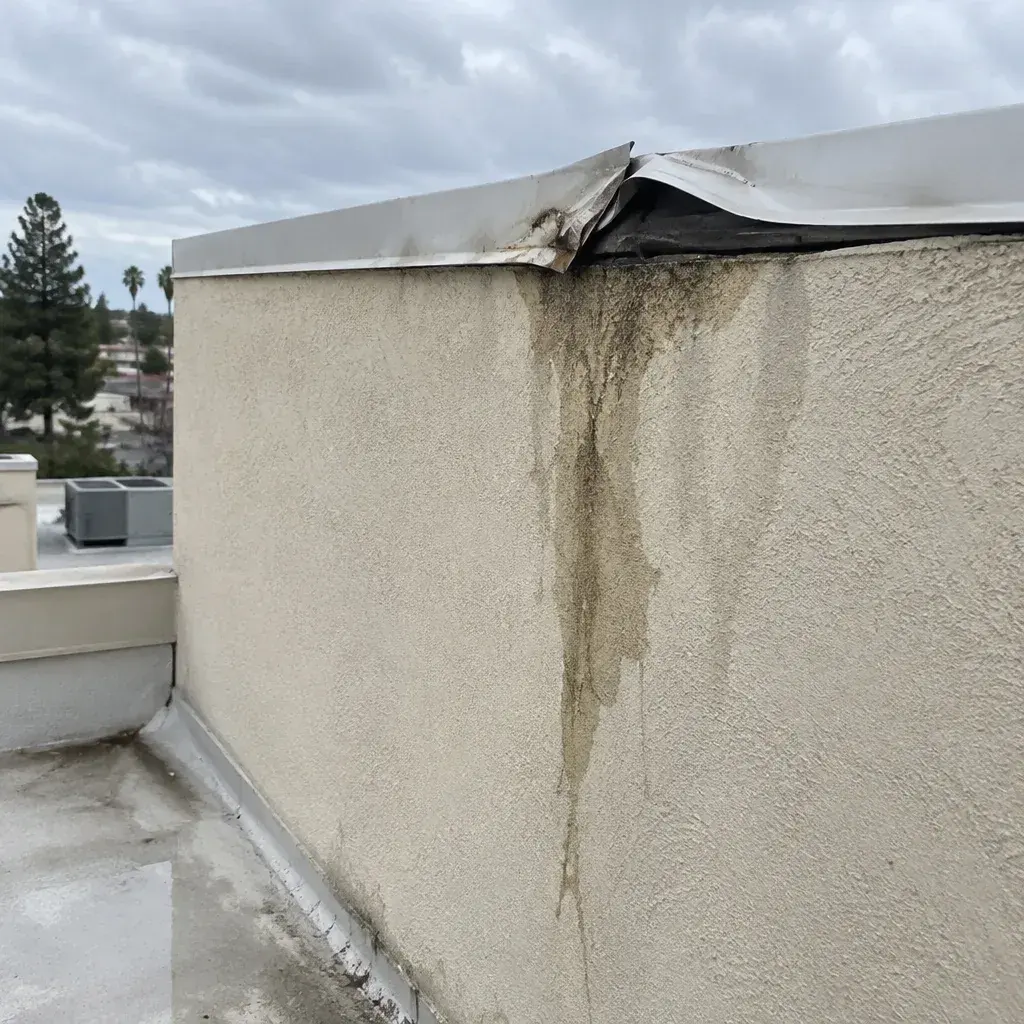
A narrow brown mark near the top of an exterior wall can follow the roof-to-wall seam. It may signal a break at the joint, though water can also arrive from another roof area. Photograph the mark and note its position relative to the sloped roof. Ask a roofer to check that transition before the next wet period in Gresham.

Near Main City Park, a dormer corner leaves a fresh ceiling mark.

Paint that blisters beside a sloped ceiling suggests moisture has reached the finish from behind. The mark alone cannot distinguish a wall-joint opening from another nearby fault. Note whether the patch changes after rain and have the adjoining roof edge assessed. This clue matters in Gresham because recurring wetting can keep the finish damp between storms.

Fresh paint blisters beside the roof-wall joint

A persistent earthy odor near an upstairs exterior wall may come from damp material concealed behind the finish. Look for nearby discoloration without opening the wall yourself. Share the room location and odor with a roofer, who can compare it with the roof edge and attic evidence. Earlier checking can limit how long wet materials remain enclosed.

A small commercial building has damp trim where roof and wall meet.

Water appearing on a wall during gusty rain suggests wind may be driving rain against the roof edge, but it does not prove the seam failed. Record the weather and which side of the building shows moisture. A roofer can use that pattern to focus the inspection on exposed joints and nearby roof areas.

After rain, a narrow stain lengthens along an upper-room ceiling.

Darkened or damp framing beside an exterior wall in the attic can show water tracking inward from the roof edge. Avoid disturbing wet insulation or entering an unsafe attic. If the area is safely visible from the access point, take a photo and arrange an inspection; the framing location helps the roofer trace the route.

How Roof Leak Repairs Follow Water Paths

Gresham’s cool-season rain and city planning documents’ storm context make timely checks useful when water reaches a wall joint. The citywide housing base includes many owner-occupied homes, but no local data establishes a typical roof material or leak rate.

A roof inspection can be relevant near Main City Park, along Johnson Creek, or by Highway 212. Those places help identify the Gresham service area; they do not predict a building’s roof design or condition.

You can ask about roof leak repair from an address in Gresham or elsewhere in Multnomah. The pros we connect you with need the property location to confirm service coverage; living within the county does not by itself establish that they can take the call.

Tracing Water Through Roofs

Entry Clue
Step flashing fits between roof courses beside a wall, directing runoff down the slope as each course overlaps the next.
Wall Assembly
Counter flashing covers the wall-side edge of the step flashing; cladding and its backing layer also shape the water path.
Wall Junction
A wall stain may form below or beside the roof joint because water can move along framing before reaching the finish.
Roof Check
Roofers compare the moisture trail with attic and exterior evidence to decide whether the joint or an adjacent area needs attention.
Repair Scope
Gresham includes homes near Main City Park and Johnson Creek, but location alone does not establish roof type or leak cause.
Work Basis
In Gresham, cool-season rain can expose a weak wall joint as water repeatedly reaches the seam. Warm periods can shift adjoining materials; colder, wetter stretches can keep damp layers from drying quickly. Note changes after wet weather and arrange an inspection if moisture returns.
MATERIAL MATCH
an estimated $350–$900

Following Water Beyond the Ceiling Mark

Dormer roof leaks involve water entering through the dormer roof surface or its other details. A roof-to-wall leak centers on the seam where a sloped roof meets a vertical wall, even when that wall belongs to a dormer. Compare where the moisture trail begins and what roof section lies above it. Water beside the wall points toward the transition; a mark centered beneath a separate roof feature calls for that area to be checked too. The roofer follows the trail before choosing which assembly to open.

Indoor Clues That Guide Leak Repair

The roofer starts with the stain location, attic evidence, and the roof slope above it. They inspect the sidewall joint, nearby roof courses, flashing edges, and visible cladding. This helps distinguish a transition failure from water entering through an adjacent roof component before materials are opened.

After locating the break, the roofer lifts enough roofing or cladding to reach the affected layers. They replace damaged flashing or adjoining material, restore the overlaps, and close the assembly. The repair scope depends on what the opening reveals; a small commercial roof may have a different wall detail than a house.

Start with the suspected entry point and check the surrounding roof and attic evidence. A sound area with one repairable defect may be handled in one appointment. If several components need work, or the water path remains unclear, ask for a staged plan. Routine follow-up is unnecessary unless findings justify it.

DECIDING WHETHER TO ACT OR KEEP WATCHING
Indoor Water Control Leak-Area Repairs
Roof damage isolated for focused repairIndoor drip containment
Leak recurrence following earlier roof workFlashing seam repair
Separate roof zones show moisture intrusionRoof joints sealed, shingles anchored

Keeping Off Wet Roof Surfaces

From the ground, note which wall and roof slope sit above the indoor moisture. Photograph visible stains and keep a simple record of when they appear. Move items away from drips and use a container if safe. Do not climb up to inspect or apply sealant; a roofer needs to assess the flashing and adjoining layers.

Signs a Leak Needs Professional Review

Water at a wall joint can soak insulation, weaken finishes, and reach wiring inside the wall. Keep people clear of bulging ceiling or wall sections, and do not touch wet electrical fixtures. If water is actively entering, protect belongings and catch drips only where safe. Contact a roofer for an inspection; tell them if the wet area is spreading or near electrical equipment.

Ask How Damage Changes Roof Leak Repair Cost

Arrange a roof review with the pros we connect you with; the parts needing work and access involved help set the repair estimate.For a Gresham property, including homes near Rockwood Library or Rockwood Market Hall, the guide range applies to work addressing the inspected leak; unrelated repairs are outside it. Ask the pros we connect you with whether a visit carries a charge, then have them confirm the repair scope directly. Inspection findings determine which roof parts belong in that work.Check the pricing guide for every repair range and the conditions that shape cost.
SAFE ACCESS

Finding the Roof Leak Entry Point

Ridge Cap Leak Repair

Gresham Rockwood Homes. A roofer checks attic and ceiling evidence against the ridge…

Leak Questions

Roof Leak Repair FAQs

How does a roofer find a leak along a roof and wall?

A roofer follows the water trail, then checks the roof edge where it meets the wall. At a sidewall, step flashing should overlap the roof courses; counter flashing and the wall’s water-shedding layers protect the upper joint. The roofer may lift nearby roofing or cladding to find a break, then replace damaged pieces and restore the layers in order. In Gresham, note the room and wall where moisture appears before arranging an inspection.

What protects the seam where my roof meets siding?

At a sidewall, step flashing sits between roof courses and turns water downhill. Counter flashing shields its upper edge, while cladding and the layer behind it keep rain moving outward. If one piece pulls loose or a layer is interrupted, water can slip behind the wall finish. A roofer checks how these parts overlap at the specific house in Gresham; the assembly can differ between homes and small commercial buildings.

When should I call about moisture beside an upstairs wall?

Arrange an inspection promptly if a wall or ceiling stain grows, drips continue, or moisture appears after each wet spell. Water can spread into concealed materials while the opening remains exposed. Until the roof can be checked, move belongings and contain indoor drips if safe. Keep notes on new stains or damp spots so the inspection can account for each affected area.

What can make a roof-to-wall repair more involved?

Repair scope depends on which layers have failed and how far moisture has reached. A roofer may need to replace step or counter flashing, reset nearby roofing, or repair affected cladding and the layer behind it. Hidden damage can expand the work once the joint is opened. The work plan should explain how exposed roofing will be protected while the joint is open.

Start Here

Not sure how far the leak has spread?

Call the pros we connect you with and explain what you have noticed indoors. Before booking, ask what the visit will cost. After they check the roof and attic, request a written account of their findings and recommended work, with the affected parts identified.

Call (503) 496-7864
Confirm availability, inspection charges, and written scope
Call (503) 496-7864 Schedule Online