Retail Roof Leak Repair
Gresham Retail Roofing
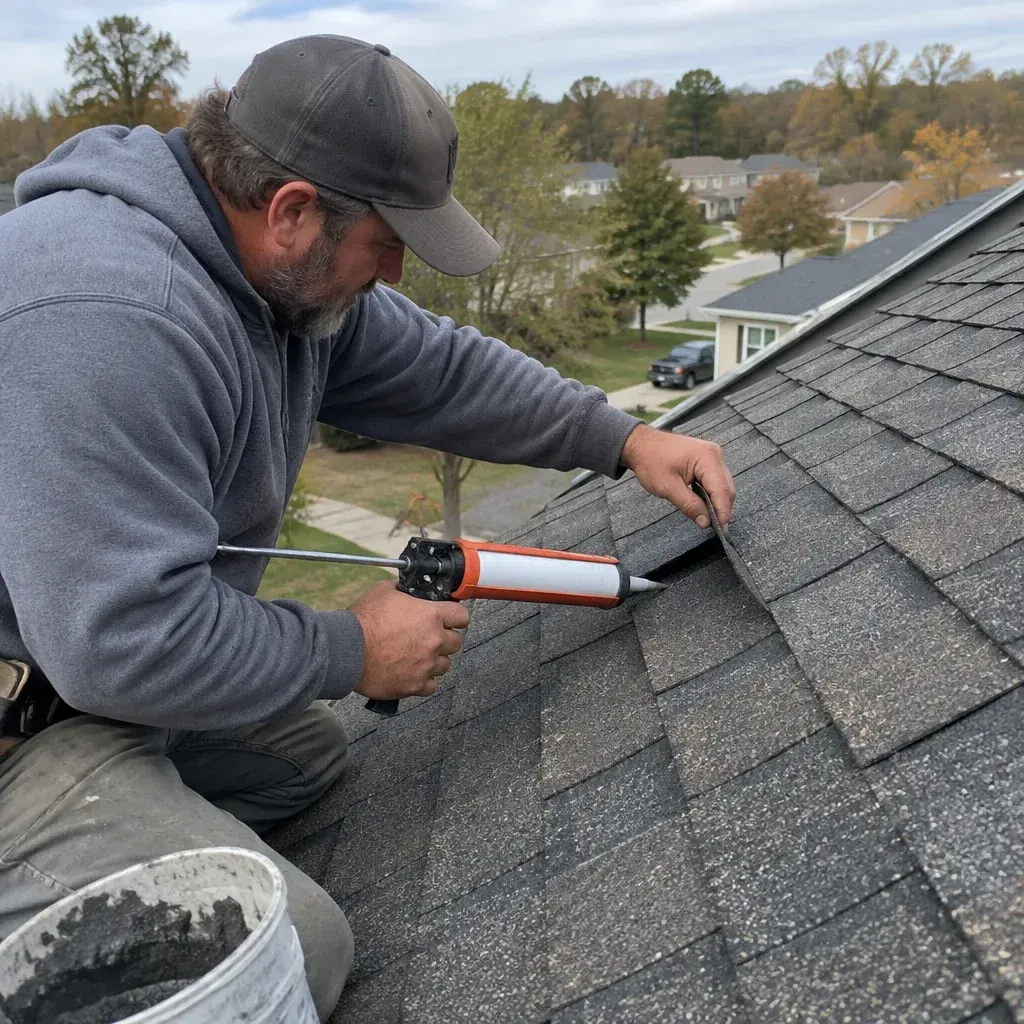
Compare roof findings and repair records across your Gresham warehouse addresses.
For each Gresham warehouse address, the roofer can map reported leak zones, inspect broad roof sections and penetrations, then repair the components tied to the findings. Shared labels and photos make scope easier to compare across sites and show which goods or operations each repair may affect.
For a Gresham operator, a warehouse roof leak can put goods and daily output at risk. Start by ranking reported locations by what happens beneath each roof area. A drip above packed stock may call for different scheduling than water near a loading or work zone. If properties share one manager, use the same intake record at every address. That gives the pros we connect you with a clear view of which locations need attention first and how repairs could affect operations.
Log each report by facility, interior zone, and the work underway nearby. Note whether goods, machinery, or active tasks occupy the space below. Gresham managers handling sites near Rockwood Market Hall can use the same format as managers overseeing facilities elsewhere in town. This lets you compare operational impact without assuming every leak presents the same risk. The record also helps the pros we connect you with plan where to begin their review.
Give each Gresham facility a simple roof reference that matches its own layout. Mark reported ceiling marks, storage rows, work areas, and rooftop units by building and roof section. A shared naming system helps staff describe locations consistently across addresses. It also reduces confusion when several reports arrive from different sites. Keep the reference practical: a roofer should be able to connect an interior location to the right portion of that building’s roof.
A warehouse roof leak review needs enough context to cover a broad roof, not only one spot above a stain. In Gresham, ask the pros we connect you with to identify which roof sections they examined at each property. Their notes can relate reported indoor areas to visible roof conditions nearby. This makes it easier to see whether a concern appears limited to one section or deserves attention elsewhere on that building.
Roof openings and joints can be weak points where water passes through a gap. Depending on the roof, a roofer may look at flashing, valleys, vent boots, tiles, shingles, or joined seams. At a Gresham warehouse, rooftop equipment also helps orient the inspection, though its curb repair is outside this page’s scope. Ask the roofer to note which components showed a concern and which were checked without a visible issue.
| Site marker | Work disruption | Repair scope |
|---|---|---|
| Site record | Facility address and roof plan | Tie each finding to its correct property |
| Leak priority | Goods, process area, and exposure | Rank locations by business impact |
| Roof zone | Marked plan or grid reference | Give repair pros a defined search area |
| Roof features | Seams, transitions, and penetrations | Record nearby components for repair review |
| Roof material | Observed covering and seam details | Match proposed work to inspected materials |
| Interior evidence | Room, aisle, and stain location | Link indoor marks to the site plan |
| Repair record | Photos, findings, and proposed work | Keep documentation with that facility’s file |
| Map reference | Inventory exposure and work-area priority | Use landmarks as map aids, not facility addresses |
Repair choices should follow the findings for each Gresham address. A localized defect may suit a focused repair, while related concerns across a roof section could change the proposed scope. The roof covering and the condition of nearby components matter to that decision. For a distribution center roof leak, request a clear link between the observed condition and the work proposed. That helps you compare recommendations across facilities on useful, consistent terms.
Plan roof access around facility operations as well as the building. A wet or steep surface can be dangerous, so inspection belongs with people using suitable equipment and fall protection. At your Gresham property, explain access limits, delivery activity, and any spaces that cannot be entered during certain work periods. The pros we connect you with can use those details to plan a visit that fits the site’s operating needs.
Before industrial roof repair begins, decide how the work area relates to active aisles, stored goods, and equipment below. Tell the roofer which zones need coordination with facility staff. At a Gresham warehouse, that information can shape where materials are staged and how work boundaries are discussed. Include operating constraints for each address, since one site’s layout or schedule may differ from another’s. This keeps repair planning tied to actual building use.
Keep inspection records organized by Gresham address and roof section. Photos can show interior water marks alongside visible roof conditions, while a written report records what the roofer observed. Use labels that staff can match to the facility map and reported zone. If a property manager or insurer later reviews the file, consistent references make the findings easier to follow. The documentation should describe observed conditions without claiming more than the inspection established.
Ask for a repair description that identifies the building, roof section, and components involved. The written scope should say what work addresses the observed condition and how the roofer will distinguish completed work from other findings. For Gresham properties, a consistent format makes proposals easier to compare across sites. It also gives facility staff a practical record for planning access and tracking which reported locations received attention.
The cost of a leak inspection can depend on roof area, access, number of addresses, and the records requested. A Gresham site with a large roof may take a different level of review than a smaller facility. Ask whether the proposed inspection includes each building, relevant interior areas, and written findings. Those details clarify what the fee covers before repair work is considered. No inspection alone establishes the final repair scope.
When discussing a Gresham inspection, ask how the roofer will handle multiple buildings under one request. Clarify whether the plan covers each listed address, how findings will be labeled, and what documentation you will receive. The pros we connect you with can explain which access details or roof plans would help shape the review. A defined inspection scope gives you a sound basis for discussing repair options once the findings are available.
Before contacting a roofer, make a facility list for your Gresham properties. For each address, record the reported interior zone, nearby operations, roof access limits, and rooftop equipment locations. Add a roof plan if one is available, using labels staff recognize. This gives the pros we connect you with a useful starting point for discussing inspection coverage and documentation. Keep separate notes when two buildings have similar layouts, so reports remain tied to the correct site.
A useful discussion connects each report to its building, roof section, and proposed next work. If your Gresham portfolio includes locations near Rockwood Library or Rockwood Plaza, label those properties clearly in your own site records. Ask what the inspection will cover, how findings will be documented, and what conditions support the suggested repair. Those answers help you coordinate decisions across addresses without treating different roofs as if they had identical needs.
Set one inspection scope for every address you manage in Gresham, then compare findings by roof area. Start with reported leak locations and the goods or work below them. Next, have the roofer review the corresponding roof sections, seams, penetrations, and transitions. A distribution center roof leak may disrupt different work than a leak over storage, so record operational impact separately from roof condition. For sites near Gresham Rockwood, Ruby Junction Station, or Springwater Trail, use each address and roof plan as its own record. That gives you a consistent basis for repair decisions and follow-up.
Coverage may shift between parts of Multnomah. Review the locations below and confirm roof leak repair is available for your address before arranging work, includingDamascus, Gresham and Fairview. When requesting a visit, get any trip or assessment fee explained; ask the provider to verify coverage for your property.
For a multi-unit commercial building, pricing may follow each visit, the roof’s size, or an agreed inspection schedule. Check $90–$350 for a guide. Difficult access, findings across the roof, materials involved, and the repair scope all affect the estimate.For Gresham commercial roofs, building footprint and roof layout affect how many sections, seams, and penetrations enter the parts list, which can shift cost. When calling, describe the building size, roof material if known, and where water appears. Ask about any visit charge and have the pros we connect you with confirm the proposed scope and price.Use pricing guide for complete repair cost bands; commercial overview describes the steps in a recurring commercial roof inspection plan.
Gresham Retail Roofing
Multifamily Roof Repair
Commercial Roof Repair
Give the roofer a site list with each active leak location, the goods or process beneath it, and the business impact if that area stays unavailable. The roofer can weigh those priorities against roof access and the condition of each area, then document a proposed work order. For Gresham facilities, keep a separate roof plan for each address so similar labels do not mix findings from different buildings.
Ask the roofer to identify each address, roof section, affected component, proposed work, and access limits in the scope. Warehouses can have broad roof fields and many penetrations, so a shared format helps you compare findings without treating every leak alike. For a Gresham site, have photos and work notes tied to that facility’s own roof plan.
Keep a site-by-site log that pairs each new report with prior work and its roof section. Compare whether water appears in the same zone, whether the same component was addressed, and what condition the latest visit documents. For Gresham properties, this record can help distinguish a repeat problem from separate leaks across buildings and give the roofer a clear starting point for reviewing earlier work.
A useful report identifies the address and roof area, summarizes observed conditions, and links photos to the relevant roof plan. It should describe the proposed repair and note any access or operating constraints discussed with you. Across Gresham sites, a consistent format makes it easier to compare scope while keeping each building’s findings distinct.
Gather each Gresham address, roof plan, affected work zone, and equipment location; then contact the pros we connect you with to discuss one documented inspection scope.
Call (503) 496-7864